Startup Weekend is back in Damascus
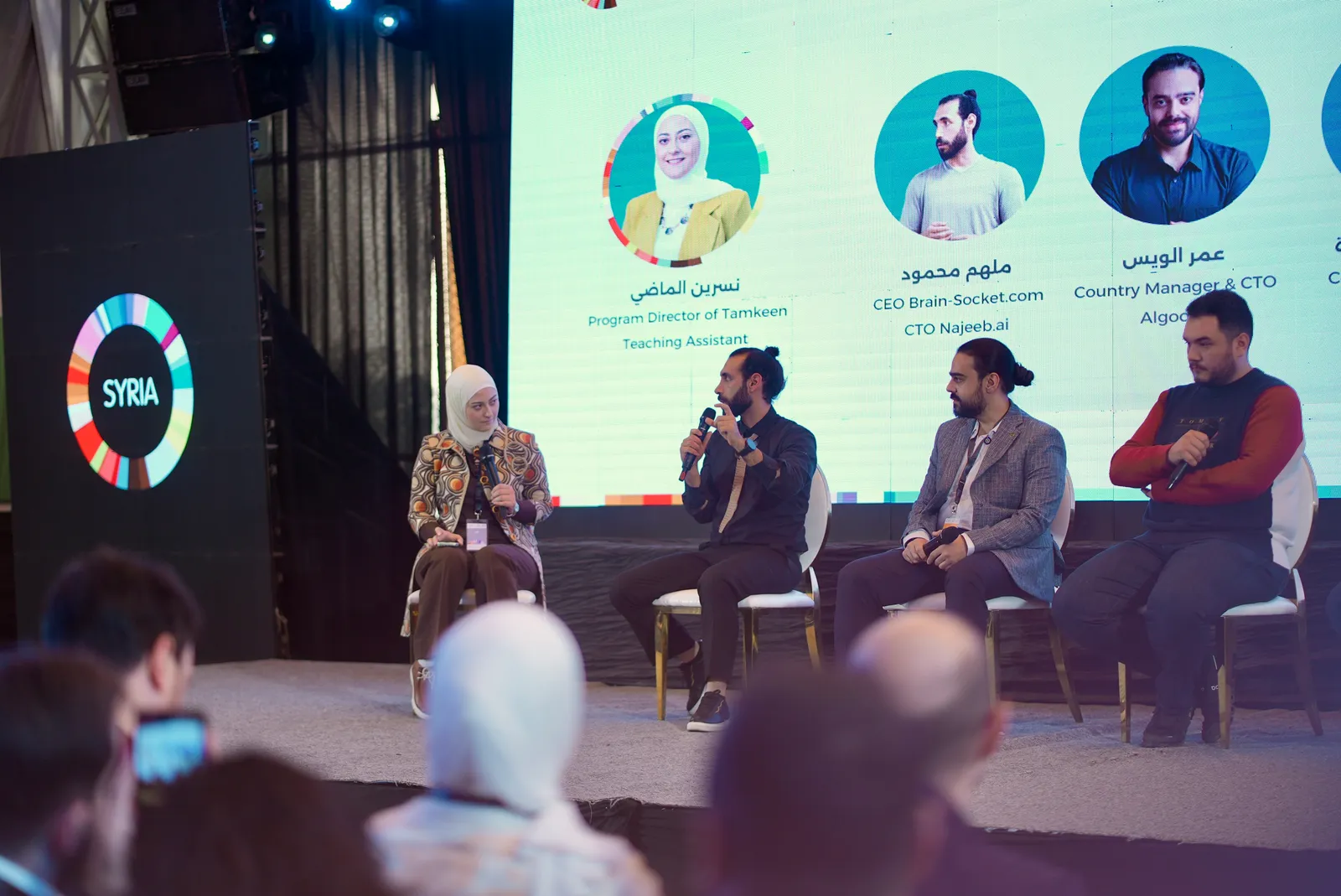
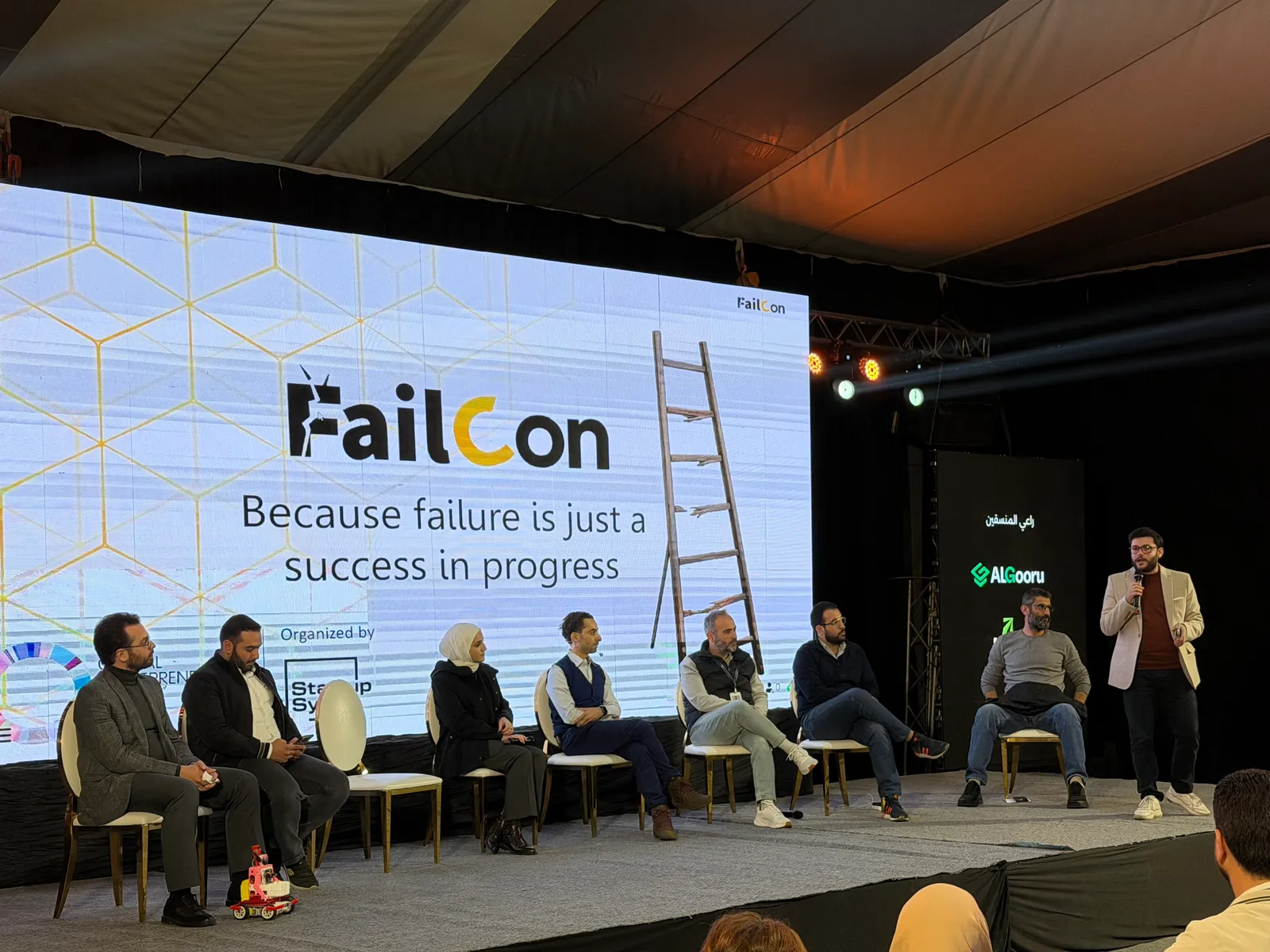
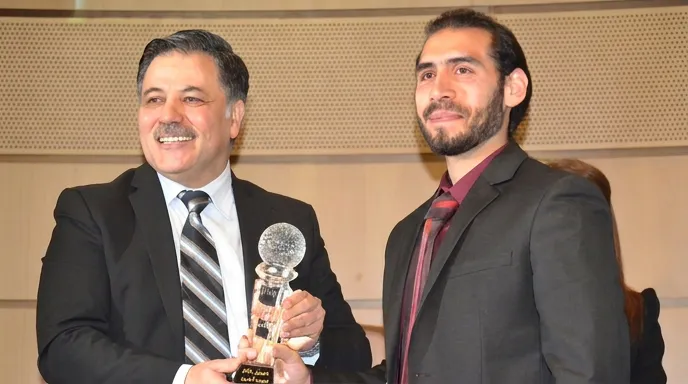
The last time Techstars Startup Weekend ran in Damascus, Molham Mahmoud was a university student in the room, and his team was one of the winners. It did not run again for more than fourteen years. In April 2026 it came back — and he was its lead organiser.
What came back, and at what scale
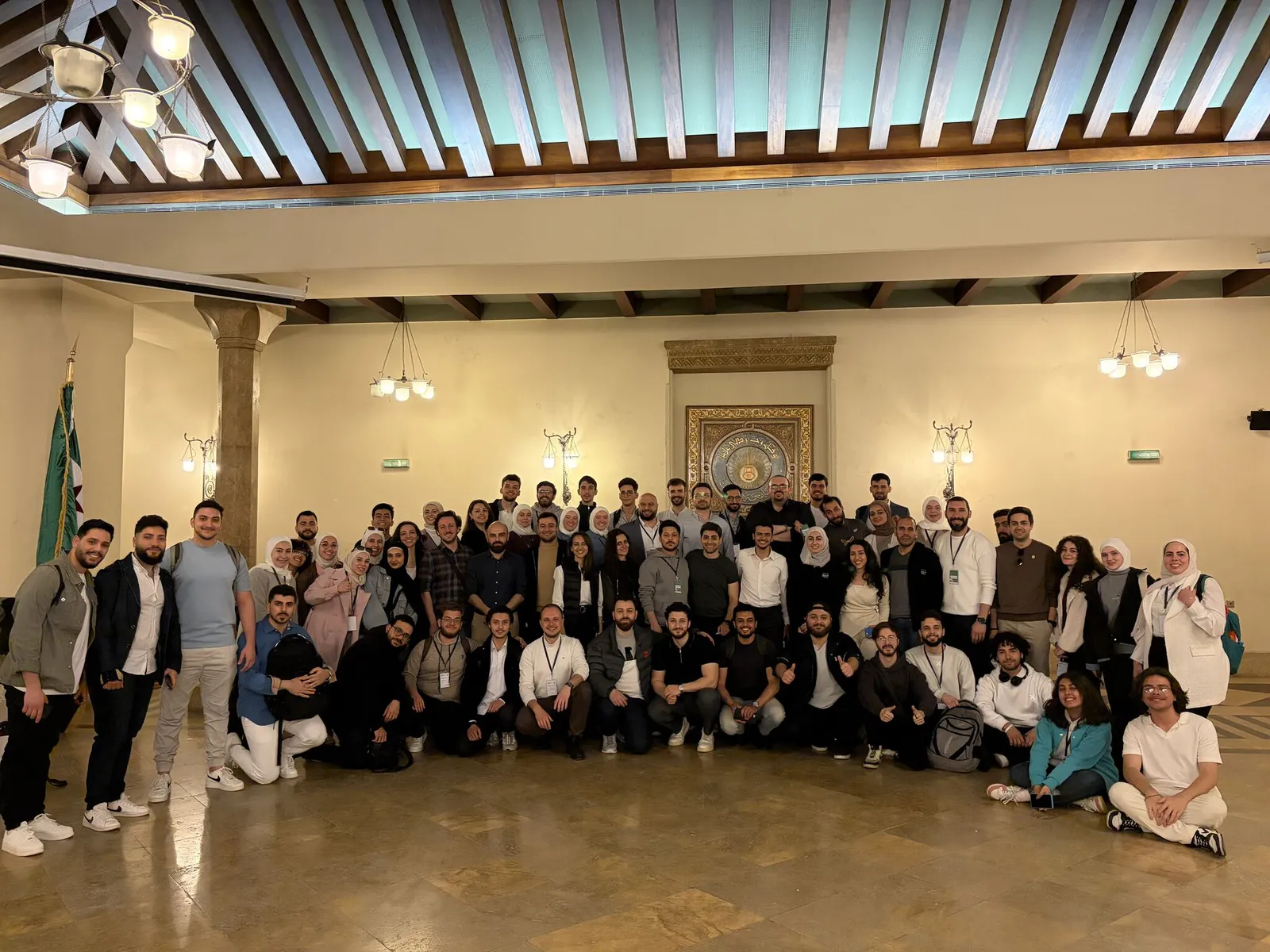
Startup Syria brought Techstars Startup Weekend back to the country after more than fourteen years, and did not do it quietly: the 2026 edition launched across seven cities — Damascus among Aleppo, Homs, Hama, Lattakia, Daraa, Idlib and Deir ez-Zur. The Damascus weekend ran 16–18 April.
The format is the one it has always been and the reason it travels: 54 hours to pitch an idea, form a team around it, build something, and put it in front of judges. You arrive with an idea or without one; most people leave on a team they did not have on Friday.
The stated aim this time was narrower than “inspire founders”. In the organisers’ own framing it was about increasing the number of startups actually emerging in Syria — particularly ones aimed at essential needs and real, on-the-ground problems across services, agriculture and local economies. Problem-driven, in service of economic recovery. That is a more useful brief than a hackathon usually gets.
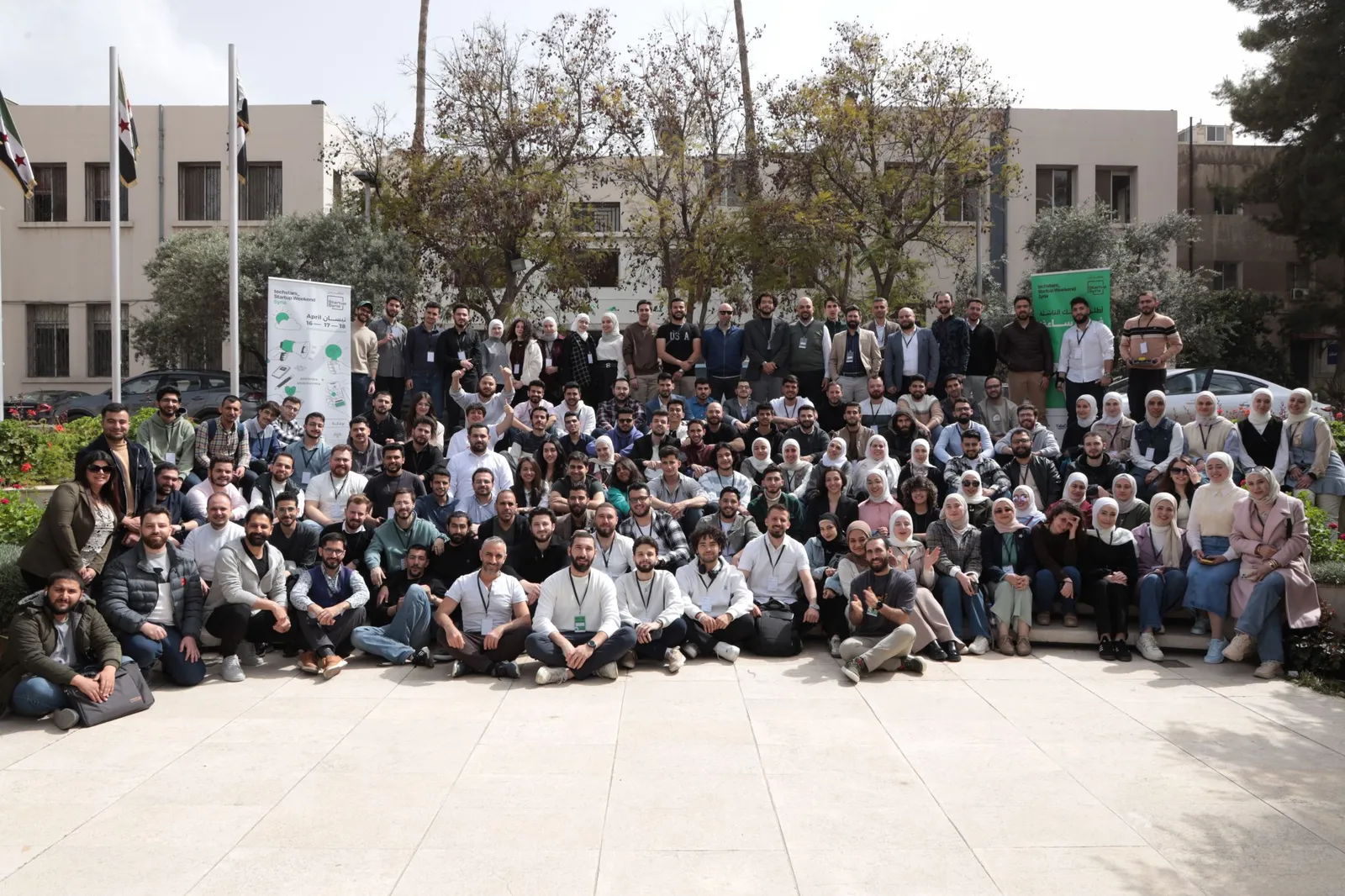
From the room to the front of it
There is a neat symmetry here that is worth stating plainly rather than dressing up. The last Damascus edition produced a winning team with a student on it. Fourteen years later that student is the person who books the venue, recruits the mentors, wrangles the judges and stands up on Friday night to explain how the next 54 hours will work.
Ecosystems are usually described in terms of capital and companies. They are also made of this: the person who was helped becoming the person who does the helping, on a long enough delay that nobody planned it.
“Build a startup in one weekend.”
Who ran it
The Damascus organising team was Molham Mahmoud as lead organiser, with MHD Assef Moustafa Alnajjar and Jessica George Hamwi co-organising and Ahmad Sufian Bayram facilitating — alongside a judging panel and a mentor roster deep enough to give every team someone who had already made the mistake they were about to make.
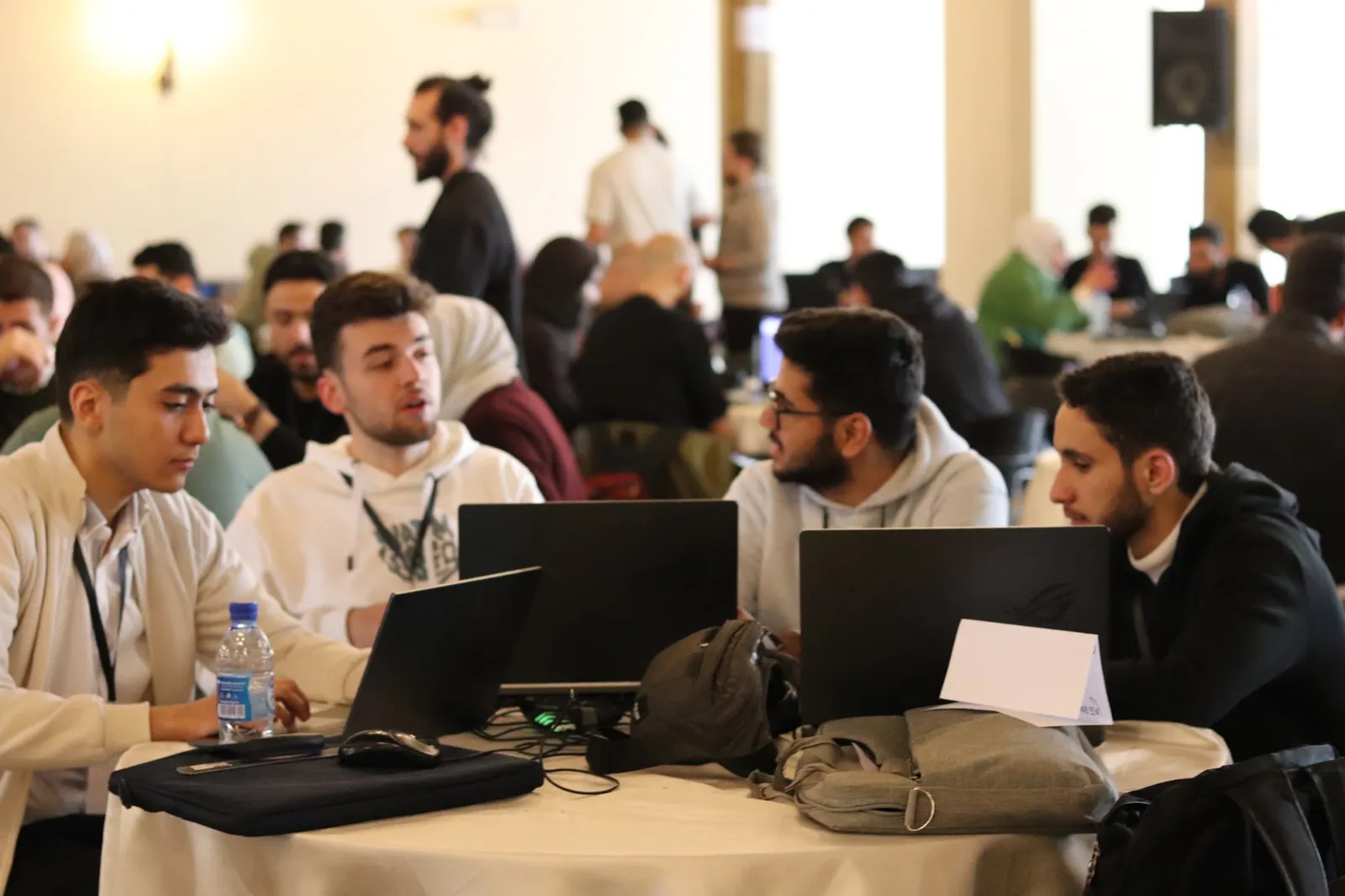
Why we put the time in
Organising this is not studio work and it does not bill. We did it because the gap between having an idea in Syria and having a team, a mentor and a deadline was, for fourteen years, mostly unbridgeable — and because a weekend is a remarkably cheap way to close it. A studio benefits from an ecosystem with more founders in it. So does everyone else.
Watch
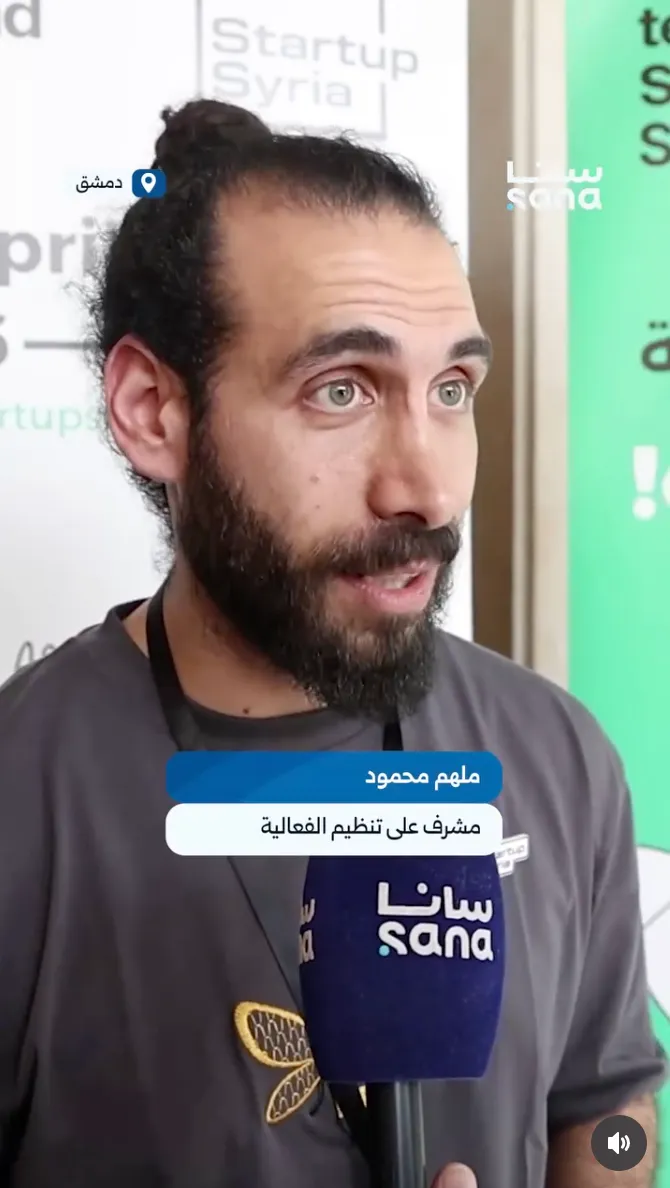 SANA · Interview
Molham Mahmoud, after the weekend
Watch on Instagram ↗
SANA · Interview
Molham Mahmoud, after the weekend
Watch on Instagram ↗
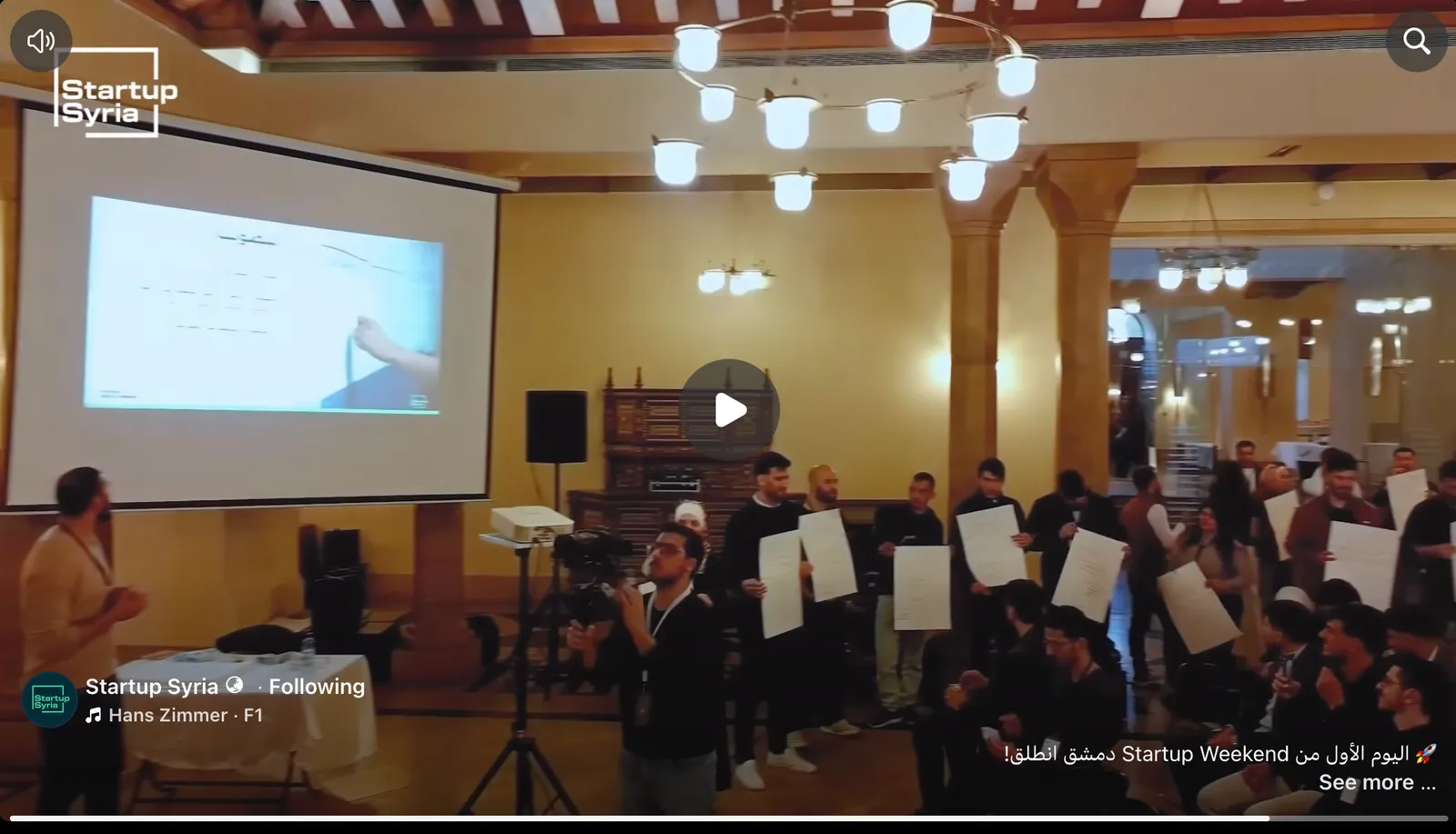 Startup Syria · Reel
Day one in Damascus
Watch on Facebook ↗
Startup Syria · Reel
Day one in Damascus
Watch on Facebook ↗