أبدع 2014: the certificate with two names on it
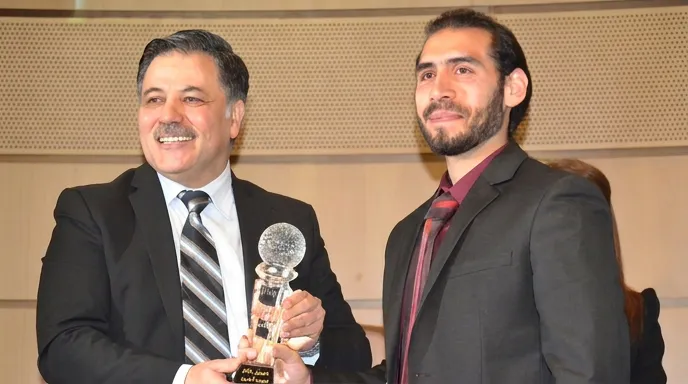
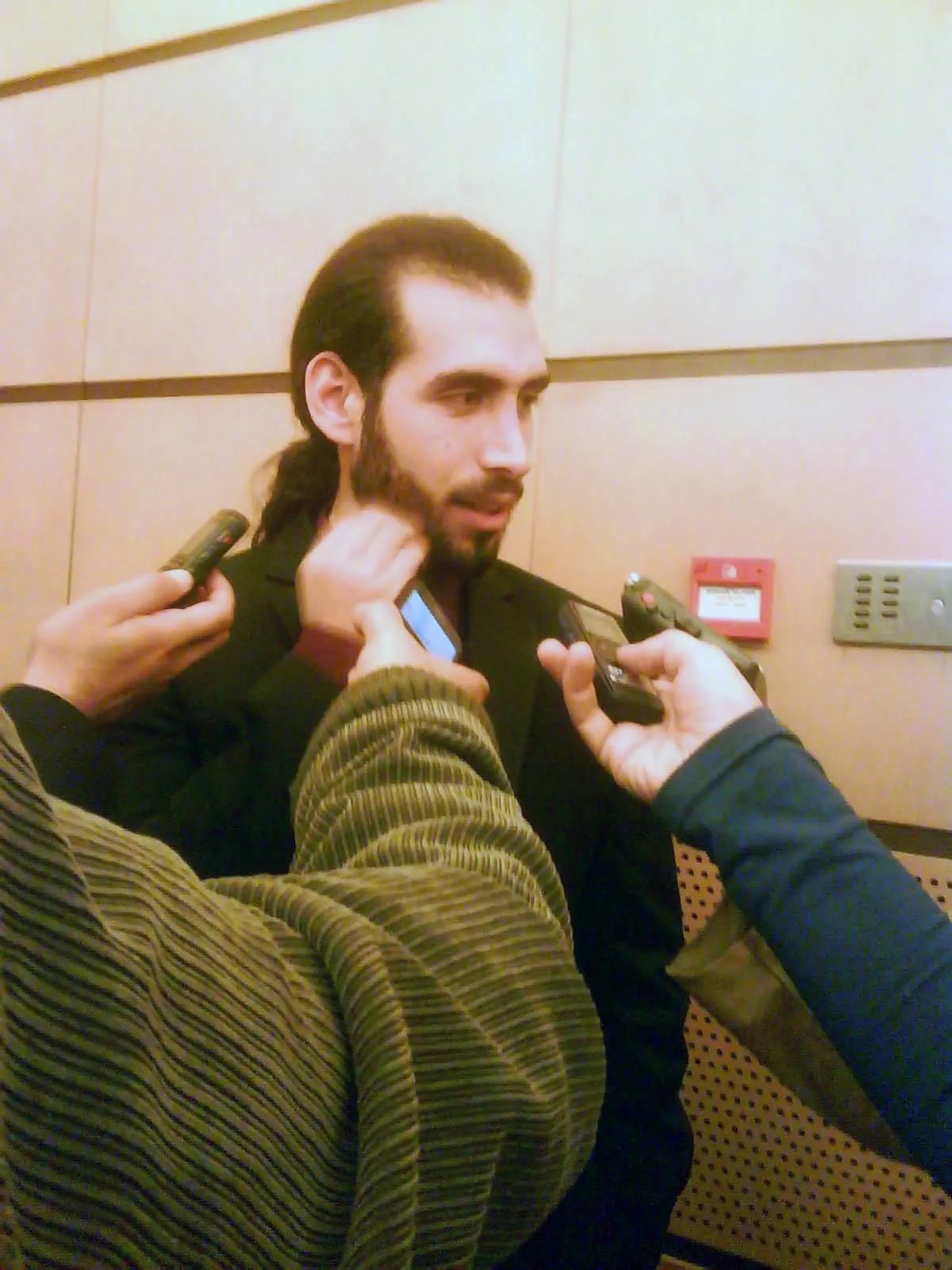
On 8 November 2014, in a hall at Damascus University, the first edition of أبدع handed out its awards. Best Service Application went to خدني معك, and the certificate carried two names: Molham Mahmoud and Mohammad Samer Al-Shatta. Brain Socket did not exist yet. This is one of the things that made it.
What أبدع was
أبدع — the word means create — was Syria’s first national mobile application competition, run by Syriatel together with the Syrian Scientific Society for Informatics. It opened in April 2014 and closed with a ceremony at Damascus University that November, attended by the Minister of Higher Education and the Society’s president.
More than 200 applications were entered. Over fifty were built far enough to compete. Six categories were awarded — service, health, tourism, gaming, children’s, and design — and the point of the whole exercise, in the organisers’ own words, was “developing local mobile applications capable of meeting market needs.”
That framing matters, because it is not the usual one. A competition can reward the cleverest demo. This one asked which application somebody would actually use, which is a harder question and a more useful one.
The service category
خدني معك won it. Molham Mahmoud and Mohammad Samer Al-Shatta had built it, and the category it won — the practical one, the one for software that does a job rather than software that demonstrates a technique — turned out to describe the next decade of both their working lives fairly accurately.
Why a prize mattered here
A prize in a young market is not a marketing asset. It is a signal, and it is aimed inward at least as much as outward — it tells the people who built the thing that the standard they held themselves to was real, and it tells the next client that somebody independent has already looked.
In Syria in 2014 it also meant something narrower and more practical. A national competition implies there had not been one before. Two hundred entries implies there were people to enter it. For everyone in that hall, the useful information was not who won — it was that the room was full.
“Developing local mobile applications capable of meeting market needs.”
One of the sparks
Brain Socket was not founded that night, and it would be tidy revisionism to say it was. But a certificate with two names on it is a small piece of evidence that the two of them could pick a real problem, build something somebody would use, and finish it — and evidence of that kind is what a studio is eventually made of. It was one of the sparks.
What followed was other people’s work rather than competition entries: marketplaces, commerce platforms, trackers, back ends that had to survive being used. Some of it shipped to Dubai, some to Baghdad, some never left Damascus. The through-line is the category name from 2014.
Ten years on
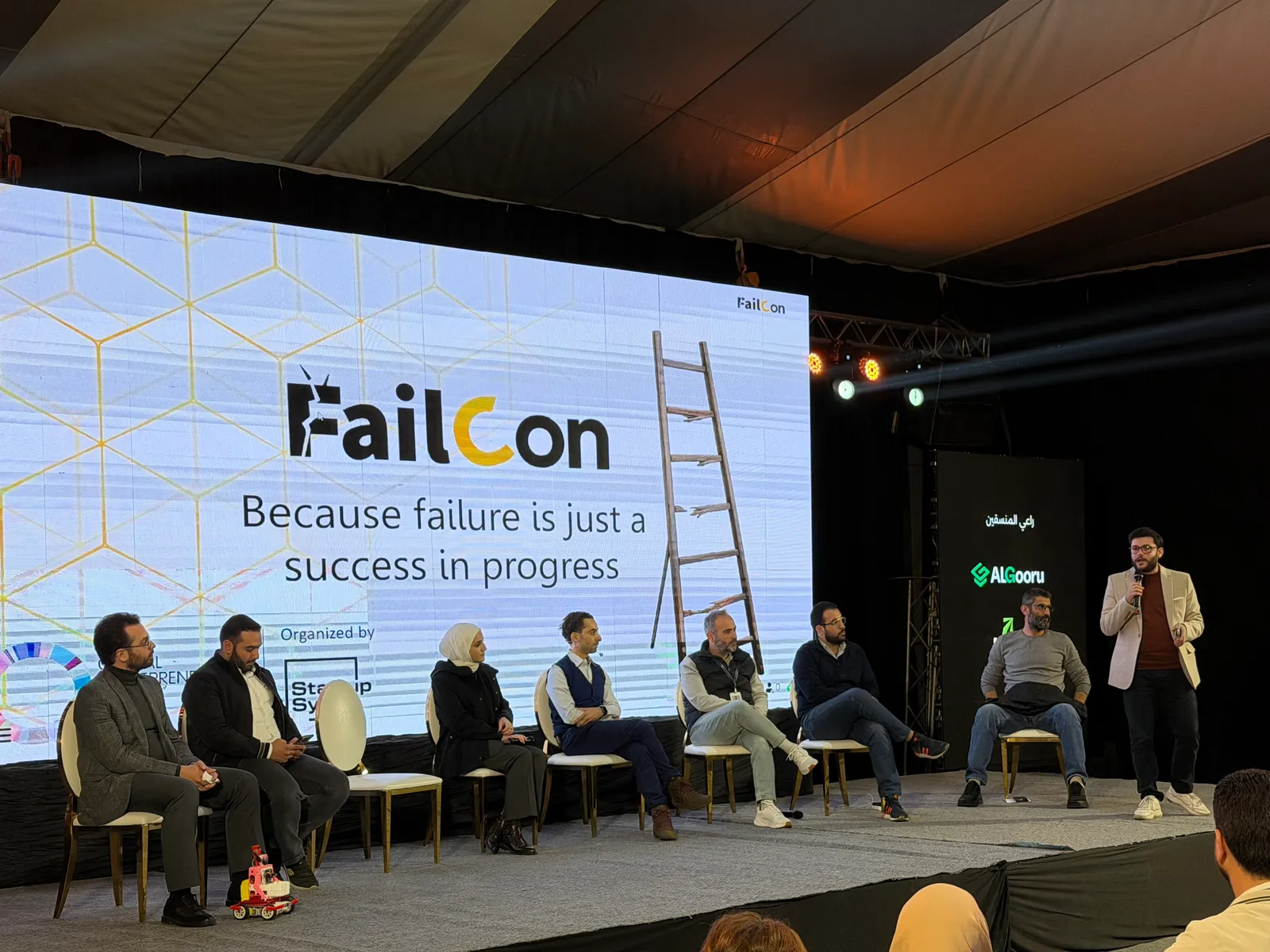
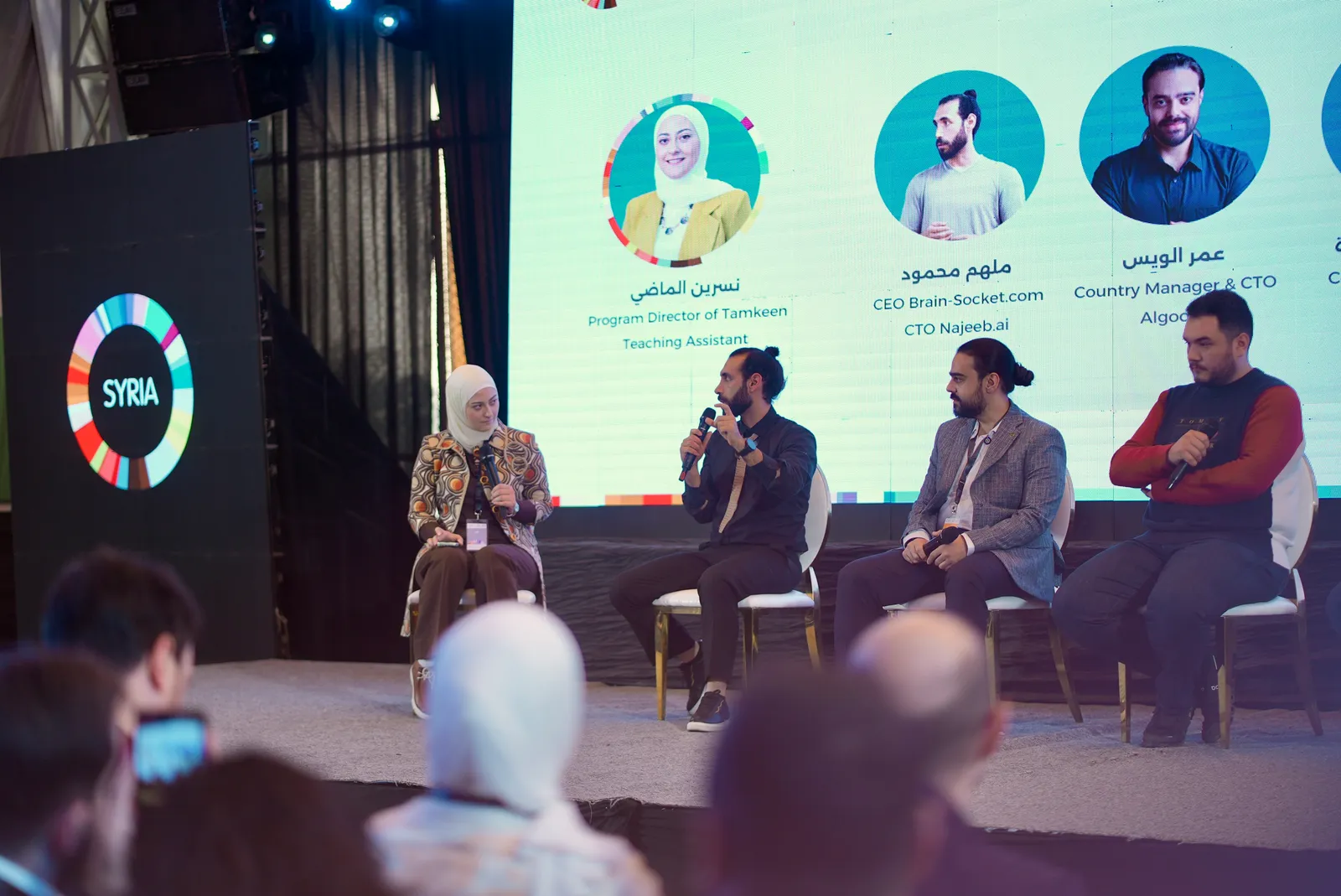
The same person is now on a panel rather than collecting a certificate, talking about building technology from Syria alongside people running programmes and companies of their own. A first national competition implies there had not been one before; a panel implies there is now enough of a scene to hold one. Ten years apart, and it is fairly clearly the same question.
Sources
The details above — the organisers, the dates, the entry numbers, the categories and the winners — come from the contemporary record rather than from memory: